A Chat with ‘Little Ducks’ Duck Food
It honestly started out of pure survival as a mum!
Full disclosure: Most weeks I’m interviewing someone else about their business. This week it’s a bit different – it’s mine. I’m the owner of Little Ducks, and here’s how it started…
Q: Let’s go back to the beginning. How did Little Ducks actually start?
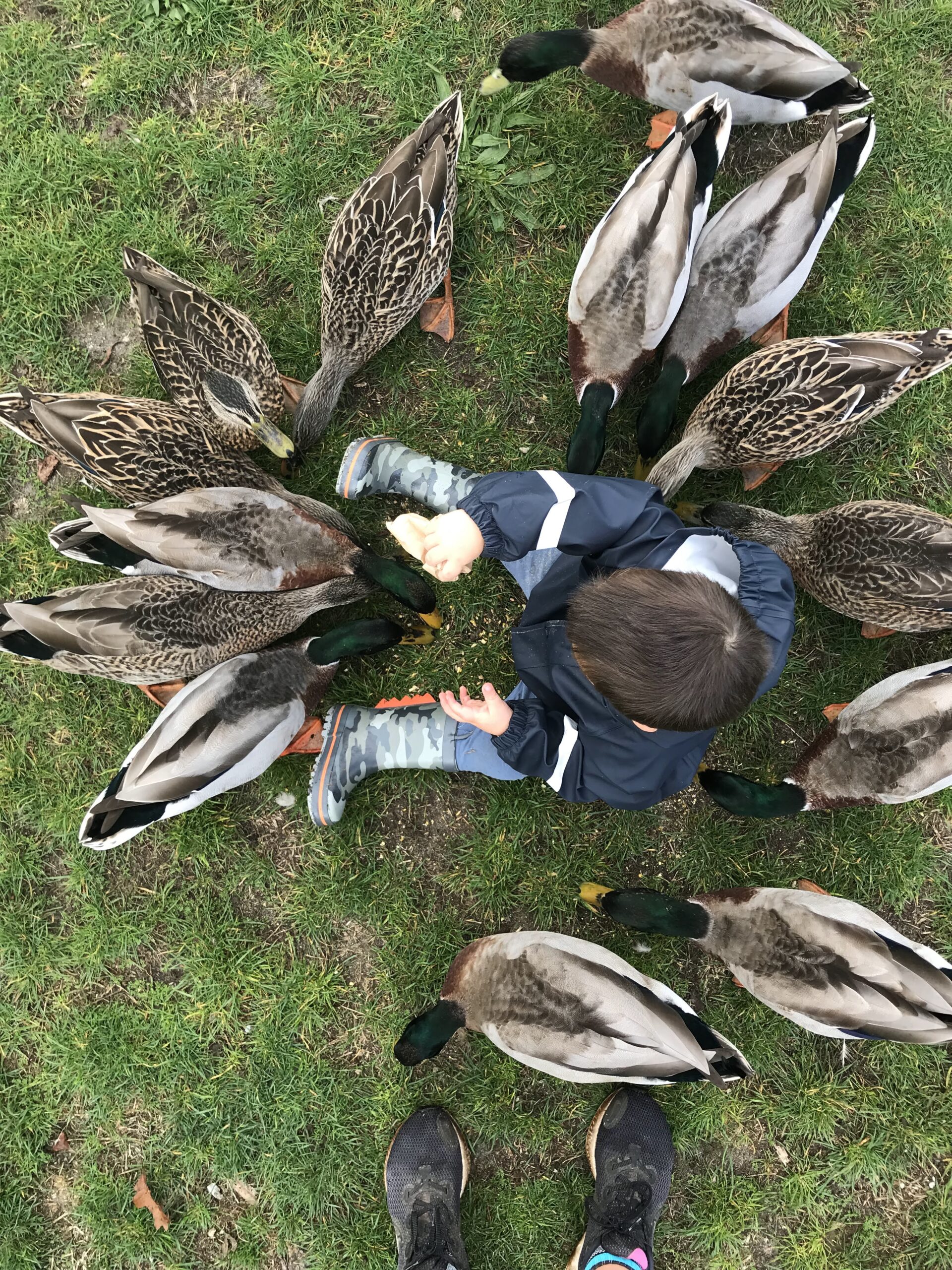
It honestly started out of pure survival as a mum! When my kids were little, getting them outside and moving was my absolute sanity saver. Even on those freezing, grey days when there wasn’t a heap to do around town, I’d bundle everyone up and head down to the water. Feeding the ducks became our go-to family ritual.
Q: And back then, you were doing what most of us did—bringing along a loaf of bread?
Exactly. We’d show up with our bags of leftover bread, the kids would love it, and it was just a nice, simple routine.
But then I stumbled across a news article that completely stopped me in my tracks. It detailed how incredibly bad bread is for ducks—how it’s essentially junk food, causes wing deformities, and pollutes the water. I felt terrible! I immediately thought, Right, I need to buy proper duck food.
Q: Was it easy to find?
Not at all! We were totally new to town at the time, so I had no idea where to even look. I searched everywhere and came up completely empty-handed. That’s when the lightbulb went off. I realized if I was struggling to find it, there must be heaps of other families who wanted to do the right thing but couldn’t find the resource either. I thought, Maybe I can organize this myself.
Q: How did you go from a lightbulb moment to an actual packaged product?
Luckily, I have a background in digital design, so I just sat down and created the logo myself! From there, I sourced the bags and labels, tracked down a supplier for high-quality, healthy feed, and started packaging it up under my own label.
Q: We heard the business model had a bit of a funny pivot early on. What happened there?
Yes! Initially, I had much grander plans. I wanted to supply all the local B&Bs and Airbnbs so tourists could have a lovely local experience. But I quickly realized a major flaw in that plan: if you feed ducks at a B&B, they hang around. Forever. I figured accommodation hosts wouldn’t be thrilled with me turning their properties into permanent waterfowl sanctuaries!
So, I realized location was everything. Instead of trying to create new feeding spots, I took the food directly to the places where the ducks and families were already gathering.
Q: It’s been running for a while now. Are the kids still your chief feeding assistants?
Not quite! They’ve grown up a bit and have completely moved past the duck-feeding phase—they probably take it for granted now! But the business is still going strong because the joy is definitely still there.
These days, I love taking my friends’ younger kids down to the water. While my own kids might look at it as just a normal everyday thing, their friends and the littler ones absolutely lose their minds over it. Just seeing that pure, childhood excitement when they get up close to the ducks—it’s priceless. It fills my cup every single time.
Q: A lot of people still think, “It’s just a bit of bread, how bad can it really be?” Why is it so important to make the switch?
Look, I get it—we’ve all done it. But it’s actually a massive hit to our local environment. Bread is packed with carbs but has zero real nutrition. It fills their bellies up with empty calories, so they stop foraging for the natural bugs and plants they actually need to grow. That leads to a horrific condition called “angel wing,” where their wings deform and they can never fly.
But it’s also about protecting our beautiful lake and waterways. Leftover bread just sits there and rots. It fuels nasty algae blooms and breeds bacteria that cause avian botulism, which can literally wipe out entire local duck populations. When you buy a bag of proper food, you aren’t just giving them a treat—you’re actively keeping our lake clean and our wildlife healthy.
Q: If families want to grab a bag for their next walk, where can they find Little Ducks?
We’ve teamed up with some fantastic local spots right by the water to make it as easy as possible. You can pick up a bag at Steaming Bean, Stir Cafe, or the Acacia Bay Store. It’s perfect—you can grab a coffee for yourself and a healthy treat for the ducks at the same time.
Q: While we’re on the subject of looking out for them, what should we do if we see a duck that’s hurt or sick?
Because we have a mix of introduced and native ducks around the lake, who you call depends a bit on the bird, but we have some amazing local support right here in Taupō:
For common ducks: If it’s a standard mallard or domestic duck, give the Taupō SPCA a call on 07 378 4396.
For native ducks: If it’s a native species like a Paradise Shelduck (pūtangitangi) or a Grey Duck (pārera), call the Department of Conservation emergency hotline on 0800 DOC HOT (0800 362 468).
Any local vet: In an absolute emergency, any vet clinic in town will accept injured wildlife to check them over at no cost to you.
If you do need to rescue one, just gently pop it into a secure cardboard box with a towel, keep it somewhere quiet and dark to lower its stress, and get in touch with one of those teams.